
Cracks in Your Walls: What Type You Have and When to Call a Professional
Hairline, diagonal, stepped or horizontal: what each wall crack means, whether it's structural, and when to call a Cape Town professional.
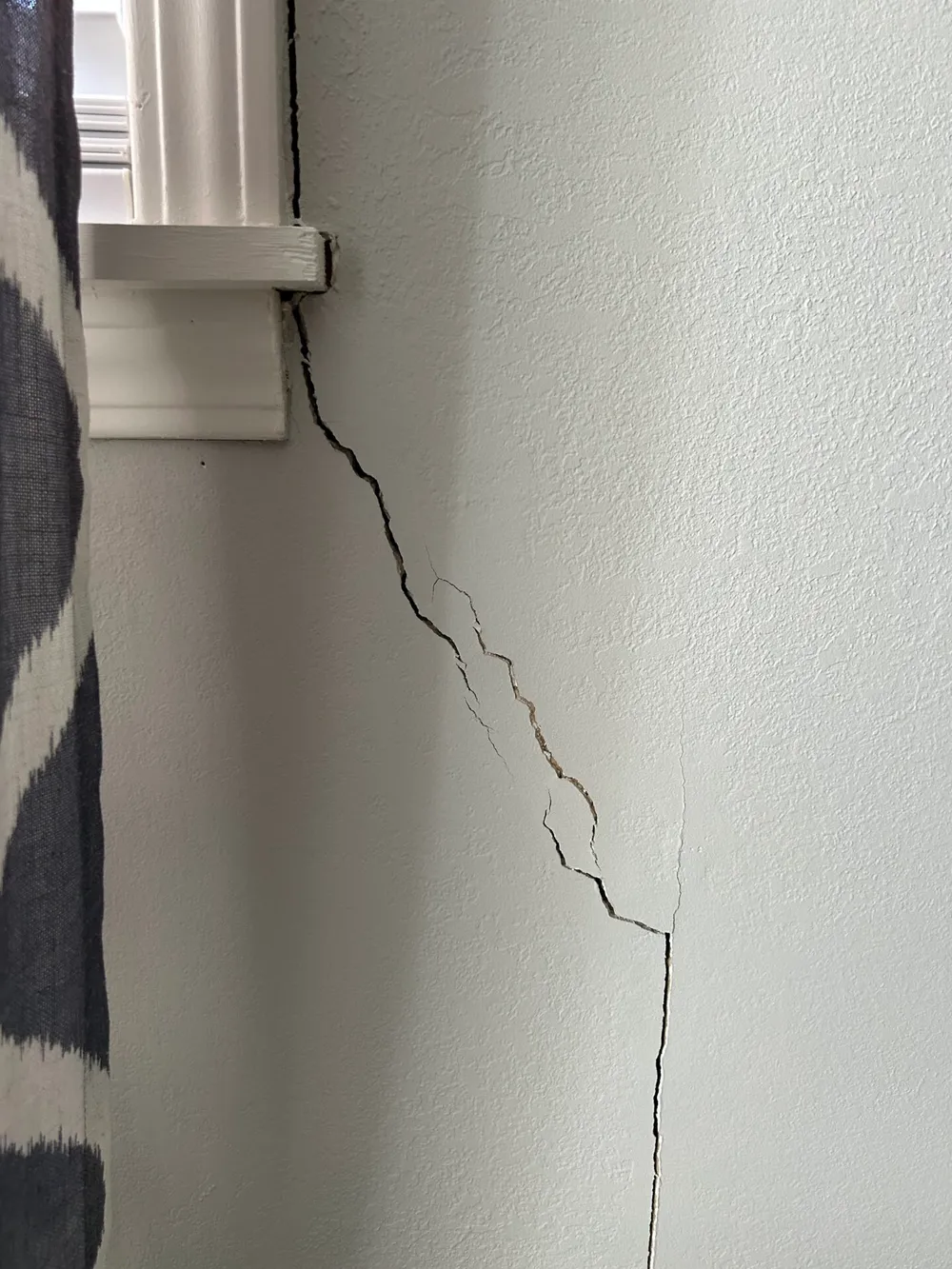
Finding a new crack in your wall is unsettling, and the internet doesn’t help — every forum thread has someone telling you it’s nothing, and someone else telling you your house is falling down. The truth is that most cracks in Cape Town homes are cosmetic, caused by ordinary plaster shrinkage or seasonal movement. But some crack patterns are early warning signs of a genuine structural problem, and the two can look deceptively similar to an untrained eye.
The shape and direction of a crack tells you far more than its length does. Here’s how to read the four most common types, and exactly what should prompt you to call a professional rather than reach for the filler.
Hairline cracks
What they look like: Thin, thread-like cracks, usually under 1mm wide, often appearing in a web or random pattern across plastered surfaces — commonly around ceiling corners, above doorways, or where two different building materials meet.
What causes them: Almost always plaster or paint film shrinkage as new or repaired surfaces cure, combined with the normal expansion and contraction of the wall as temperature and humidity shift through the year. In coastal Cape Town homes, seasonal movement between a hot, dry summer and a wet winter is enough on its own to produce these.
Cosmetic or structural? In the overwhelming majority of cases, cosmetic. Hairline cracks sit in the plaster or paint film, not in the underlying masonry, and don’t compromise the wall’s strength.
When to call a professional: If a hairline crack widens noticeably over a few weeks, if new hairline cracks keep appearing in the same spot after you’ve patched it, or if they appear suddenly and in clusters following an event (heavy rain, nearby excavation, a tremor) — that pattern is worth a proper look rather than another coat of filler.
Diagonal cracks
What they look like: A crack running at roughly 45 degrees, most often starting from the corner of a window or door opening and travelling up or down toward a corner of the wall.
What causes them: Diagonal cracks form where stress concentrates — and openings in a wall are exactly where that happens. They’re frequently a sign of differential settlement: one part of the building’s foundation is settling at a different rate to another, and the wall is flexing along the path of least resistance.
Cosmetic or structural? This is where it depends on scale. A fine diagonal hairline crack from a window corner, especially in a newer or recently renovated home, is often just settlement within normal tolerances. A diagonal crack wider than about 3mm, one that runs through both the plaster and the brick or block beneath it, or one you can feel a step or offset across with your fingernail, indicates real movement in the structure.
When to call a professional: If the crack is wider than 3mm anywhere along its length, if it continues to grow, or if it runs from an opening all the way to a corner or roofline — get it assessed before painting over it. Painting a moving crack doesn’t stop the movement; it just hides where the next crack will open up.
Stepped cracks
What they look like: A jagged, stair-step pattern that follows the mortar joints in brickwork rather than cutting straight through the bricks themselves — zig-zagging up or across a wall in a distinctive staircase shape.
What causes them: Stepped cracks are one of the clearest visual signs of foundation movement or subsidence. Because mortar is weaker than brick, a wall under differential settlement will crack along the joints between bricks rather than through them, producing that characteristic step pattern. They’re especially common on older Cape Town homes and heritage properties where foundations were built to older standards, or on any home built on clay or reactive soils that expand and contract with moisture.
Cosmetic or structural? Treat any stepped crack as a structural signal until a professional tells you otherwise. Even a narrow stepped crack is diagnostically significant, because of what it indicates is happening beneath the surface — regardless of the crack’s own width.
When to call a professional: Always, for this crack type specifically. Get a structural assessment, particularly if the crack appears on an external wall, near a corner, or alongside other warning signs like a door or window that’s started sticking, or a floor that feels slightly sloped.
Horizontal cracks
What they look like: A crack running roughly parallel to the ground, most often found on foundation walls, retaining walls, or lower-level walls that hold back soil.
What causes them: Horizontal cracks are usually caused by lateral pressure the wall wasn’t designed to resist — commonly hydrostatic pressure from waterlogged soil pushing against a foundation or retaining wall, or soil movement following heavy Cape winter rains. This is the crack type most associated with a wall that’s actively bowing or bulging.
Cosmetic or structural? Structural, essentially by definition. There’s no common cosmetic cause of a genuinely horizontal crack in a load-bearing or retaining wall.
When to call a professional: Immediately. Don’t wait to monitor a horizontal crack the way you might a hairline one — if you can see any bowing, bulging, or the crack is accompanied by dampness or efflorescence (white mineral deposits) along its length, get a structural assessment as a priority, before the next heavy rain adds more pressure.
A quick way to monitor any crack
If a crack doesn’t fall into the “call immediately” categories above, a simple way to track whether it’s stable or active is to mark each end of the crack with a pencil and note the date, then check back after a few weeks — particularly after any heavy rain. If the crack has grown past your pencil marks, treat it as active movement and get it assessed.
When cracks mean it’s time for crack stitching
Diagonal, stepped, and horizontal cracks that turn out to be structural share the same underlying issue: the masonry has moved, and paint or filler can’t hold it back together. That’s what crack stitching and wall tying are actually for — helical reinforcement bars are bonded across the crack to stop it propagating and tie the masonry back into a single, stable structure, rather than just hiding the symptom.
If you’ve spotted a crack that matches any of the “call a professional” signs above, we offer structural assessments and Thorhelical crack stitching and wall tying across Cape Town — get in touch for a free, no-obligation look before it gets more expensive to fix.
Need help with this in Cape Town?
Get a free, no-obligation quote from Paint & Renov8.